£2.50 Shipping Per Order Of Seed Sachets/Packets With No Limit on Quantity • FREE Collection From Our Darlington Warehouse

Wholesale Golden Marguerite Dyer’s Chamomile Herb Wild Flower Bulk

Starting at £5.99

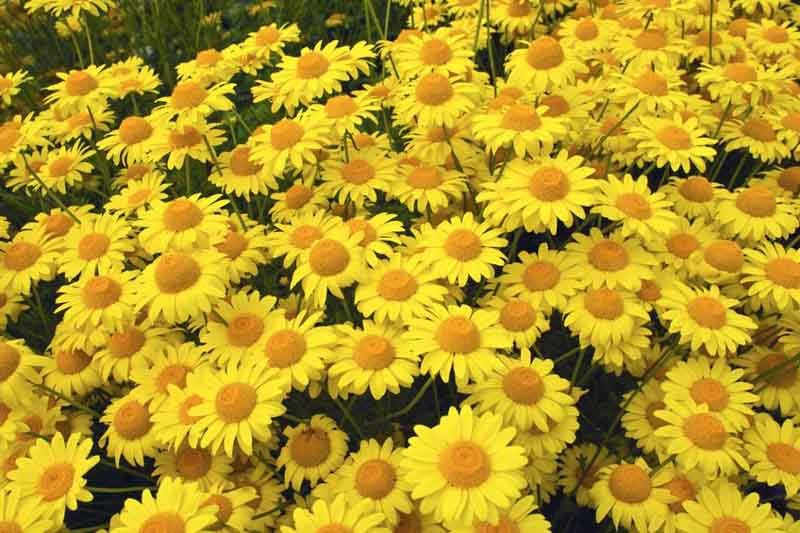
Dyer’s Chamomile (Anthemis tinctoria), also known as golden chamomile or chamomile dye, is a perennial herb known for its vivid yellow flowers and traditional uses in natural dyeing. Here’s an overview:

Description

  • Appearance: Dyer’s chamomile typically grows to about 30-60 cm (12-24 inches) tall, with deeply lobed, feathery leaves. Its flowers have a resemblance to daisies, featuring bright yellow central discs surrounded by white rays.
  • Blooming Season: Flowers bloom from late spring to late summer.

Habitat

  • Distribution: Native to Europe and Asia, it is commonly found in meadows, dry grasslands, and the edges of fields.
  • Growing Conditions: Prefers well-drained, sandy or loamy soils and sunny locations.

Uses

  • Natural Dye: The plant is particularly valued for its flowers, which can be used to produce a range of yellow shades in fabrics.
  • Culinary/Herbal Uses: While not as commonly used as other chamomiles (like German or Roman chamomile), it is still recognized for potential herbal applications.

Cultivation

Best Time for Sowing

  • Seeds: Sowing is best done in spring or autumn.

Sowing Instructions

  1. Site Selection: Choose a sunny area with well-draining soil.
  2. Preparation: Clear weeds and loosen the soil.
  3. Sowing:
    • Direct Sow: Scatter seeds on the surface and lightly press them into the soil. Cover with a thin layer of soil.
    • Spacing: Thin seedlings to about 30-45 cm (12-18 inches) apart for adequate airflow.
  4. Watering: Water gently to keep the soil moist but not soggy.

Care

  • Watering: Once established, Dyer’s chamomile is relatively drought-tolerant but should be watered during prolonged dry spells.
  • Fertilization: Generally, it doesn’t require much fertilization; too much can lead to excessive leaf growth at the expense of flowers.
  • Pruning: Deadhead spent flowers to encourage a longer blooming period.

Harvesting

  • Flowers: Best harvested when fully open for dyeing purposes. Use scissors to trim flower heads.
  • Storage: Dried flowers can be stored in a cool, dry place for future use in dyeing.

Ecological Importance

  • Dyer’s chamomile attracts various pollinators, making it beneficial for garden biodiversity.

By following these guidelines, you can successfully cultivate Anthemis tinctoria while also enjoying its beauty and practical applications!

Useful Information

Sowing Dyer’s Chamomile (Anthemis tinctoria) in the UK is an enjoyable project that adds beauty to your garden and offers the potential for natural dyeing. Here’s a guide to help you successfully sow and grow this plant:

Best Time for Sowing

  • Spring: March to May
  • Autumn: September to October

Site Selection

  • Location: Choose a sunny spot, as Dyer’s chamomile thrives in full sun.
  • Soil: Prefers well-drained, sandy or loamy soil. It can tolerate poorer soils but performs best with good drainage.

Sowing Instructions

  1. Site Preparation:
    • Clear the area of weeds and debris.
    • Loosen the soil to a depth of about 15-20 cm.
  2. Seed Sowing:
    • Direct Sowing:
      • Scatter the seeds evenly on the surface.
      • Lightly rake the soil or press the seeds into the surface (do not cover them with soil as they require light for germination).
    • Spacing: If sowing in rows, maintain a distance of about 30-45 cm (12-18 inches) between plants.
  3. Watering:
    • Water gently after sowing to settle the soil. Keep the soil moist until germination, which usually takes about 10-14 days.

Care

  • Weeding: Regularly remove weeds to minimize competition for nutrients and moisture.
  • Watering: Once established, Dyer’s chamomile is drought-tolerant but benefits from watering during prolonged dry spells.
  • Fertilization: Generally does not require fertilization. If the soil is poor, a small amount of balanced fertilizer can be applied.

Harvesting

  • Flowers: Harvest when flowers are fully open, typically in late summer. Use scissors to cut the flower heads.
  • Storage: Dry flowers in a cool, dark place and store them in an airtight container.

Additional Tips

  • Companion Planting: Dyer’s chamomile can benefit other plants by attracting beneficial insects and pollinators.
  • Self-Seeding: The plant is likely to self-seed, ensuring a continuous presence in your garden.

By following these steps, you’ll be well on your way to cultivating Dyer’s chamomile successfully in the UK! Enjoy the process and the beautiful flowers it brings.

Additional information

Amount

10g | 50g | 100g | 250g

We also recommend...