£2.50 Shipping Per Order Of Seed Sachets/Packets With No Limit on Quantity • FREE Collection From Our Darlington Warehouse

Wholesale Carrot Kuroda Japanese Heirloom Carrot

Starting at £10.99

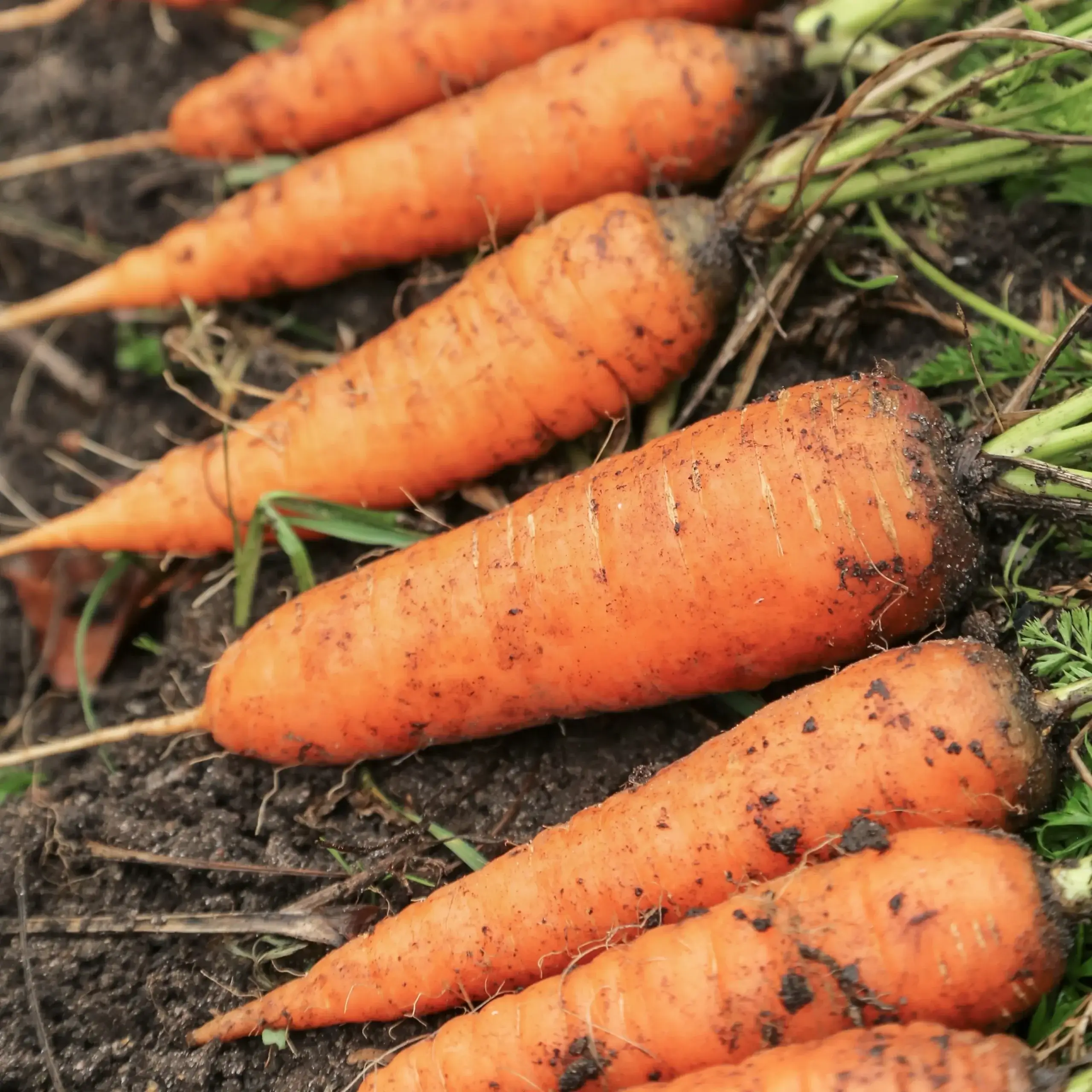
If you’re looking for a carrot that’s both beautiful and tough enough for different gardens, you should try Kuroda carrots. These Japanese heirloom root vegetables are a fantastic choice for home growers who want reliable flavour and good storage. They have a distinct shape and a sweet taste that makes them a favourite. This guide will walk you through everything you need to grow and enjoy them yourself. Kuroda Carrots Kuroda-type carrots are a classic group of heirlooms from Japan. They are known for their stumpy, cylindrical shape that broadens at the shoulder. Unlike some long, thin varieties, Kurodas are often blunt-tipped, which makes them excellent for growing in heavier or rockier soils where other carrots might fork or stunt. Their skin is a smooth, vibrant orange, and the interior flesh is crisp and exceptionally sweet. This high sugar content not only gives great taste but also means they store very well. They are a versatile workhorse in the kitchen, perfect for eating fresh, cooking, or juicing.

Your write-up is solid—it clearly explains what makes Kuroda carrots appealing and useful. If you’re aiming to turn this into a more complete guide (as your intro promises), it just needs a bit more practical detail for growers. Right now, it reads more like an introduction than a full “how-to.”

Here’s how you could expand and strengthen it:

What’s already working

  • You highlight the key traits (shape, sweetness, adaptability) clearly.
  • You explain why they’re good for different soils, which is a big selling point.
  • The tone is approachable and beginner-friendly.

What to add next

To truly “walk someone through everything,” consider building out these sections:

1. Growing conditions

Explain what they need to thrive:

  • Soil type (loose is ideal, but they tolerate heavier soils better than most)
  • Sunlight (full sun preferred)
  • Temperature range (cool-season crop)

2. Planting guide

Give actionable steps:

  • When to sow (early spring and late summer)
  • How deep to plant seeds (about 1 cm)
  • Spacing (thin to ~5–8 cm apart)

3. Care tips

Help avoid common mistakes:

  • Keep soil consistently moist (not waterlogged)
  • Thin seedlings early to prevent crowding
  • Weed gently to avoid disturbing roots

4. Harvesting

  • Typical maturity time (around 70–90 days)
  • Signs they’re ready (shoulders visible, rich orange colour)

5. Storage

Since you mention it:

  • Store in a cool, humid place (like a fridge or root cellar)
  • Remove tops before storing to extend freshness

6. Uses in the kitchen

You touched on this—expand it slightly:

  • Great raw (sweet crunch)
  • Holds up well in cooking
  • Excellent for juicing due to high sugar content

50g | 100g | 250g | 500g

Useful Information

Sowing & Growing

Sow thinly direct into finely raked, moist, warm soil at a depth of 13mm (½”) in rows about 15cm (6″) apart. Germination 15-20 days. Pull small carrots for salad use. For larger roots thin the seedlings to 38-50mm (1½-2″) between plants. Can also be sown in February in frames or under cloches for early roots. Carrots grow best in a sunny position in well cultivated soil which has not recently been manured. To prevent Carrot Fly damage erect a barrier of horticultural fleece to surround the crop.

Sowing – cropping: 12-14 weeks, for a continuous supply, sow these carrots at 14 day intervals.

Additional information

Packet Size

50g | 100g | 250g | 500g

We also recommend...