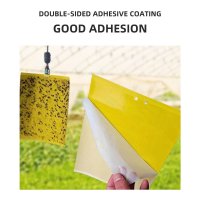
Insecticides serve as pesticides aimed at eradicating insects, encompassing ovicides and larvicides targeting insect eggs and larvae, respectively. They find utility across agriculture, medicine, industry, and in households. Widely credited for the notable surge in agricultural output during the 20th century, insecticides nonetheless pose ecological risks, often proving toxic to humans and animals and capable of disrupting ecosystems as they permeate the food chain.
These compounds generally fall into two primary categories: systemic insecticides, which permeate plants upon absorption, and contact insecticides, which do not exhibit such translocation.
The manner in which a pesticide functions to neutralize pests, known as its mode of action, offers an additional basis for classification. Understanding a pesticide’s mode of action proves pivotal in gauging its potential toxicity towards unrelated species like fish, birds, and mammals.
Insecticides may possess repellent or non-repellent properties. Notably, non-repellents evade detection by social insects such as ants, allowing them to inadvertently spread the insecticide to their nestmates. This gradual process eventually leads to the eradication of the entire ant colony, including the queen. Though slower in efficacy compared to alternative methods, this approach typically ensures comprehensive elimination.
It’s important to distinguish insecticides from non-lethal repellents, which merely deter insects without causing mortality.
I have just bought all my new seeds for next year’s vegetables after having such great results this year. Budget seeds are so helpful, I’m a newbie in the veg growing world and they have been helpful in choosing the best seeds to start with etc. also much cheaper than elsewhere so if I do mess up in the future it isn’t costing me so much. I thoroughly recommend Budget Seeds for all your veg and flower seeds.
Mrs Morris