Starting at £2.99
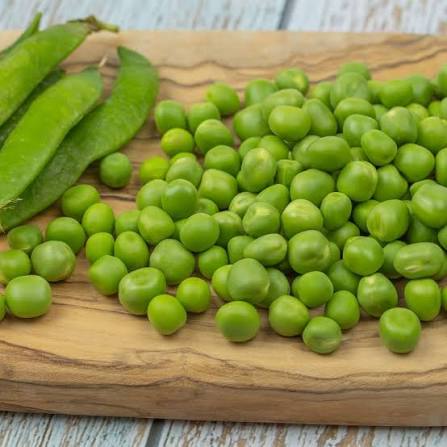
‘Karina’ (Pisum sativum) is a dependable, high-yielding early to second-early shelling pea. Gardeners value it for its sweet, wrinkled seeds, compact growth habit, and adaptability across different soil types.
Type: Wrinkle-seeded shelling pea (ideal for eating fresh or freezing; the fibrous pods are inedible).
Habit & Height: Bushy, upright, and compact, reaching 60–75 cm (24–30 in) tall.
Pods & Yield: Produces long, blunt-ended, dark green pods packed with 8–10 sweet peas each. Because pods cluster mostly on the upper half of the plant, picking is quick and easy.
Resilience: Establishes vigorously with solid disease resistance and handles dry, warm summer weather better than most other early varieties.
| Requirement | Details |
| Sowing Time | Sow directly outdoors from March to June once the soil begins to warm. For an extra-early harvest, start seeds indoors in modules or lengths of guttering during February and March. |
| Position & Soil | Plant in full sun in fertile, well-drained soil with a neutral pH (6.5–7.5). Skip fresh, rich manure just before sowing, as excess nitrogen promotes foliage at the expense of pods. |
| Spacing & Depth | Sow seeds 3–5 cm (1–2 in) deep and 4–5 cm apart in single rows or flat-bottomed drills 15 cm wide, leaving 45–60 cm between rows. |
| Support | Despite its compact size, the crop benefits from light support. Insert twiggy pea sticks or low netting along the row once seedlings reach 5–8 cm high. |
| Watering | Water well immediately after sowing, then maintain even soil moisture once the plants start flowering and forming pods. |
| Harvest | Ready 10–14 weeks after sowing (June to September). Harvest regularly from the base of the plant upward while pods are plump and bright green to keep the vines producing. |
Guard Young Shoots: Emerging seedlings attract pigeons, sparrows, and slugs. Shield newly sown rows with horticultural fleece, cloches, or wire mesh until the plants are well established.
Leave the Roots in the Ground: When the crop finishes, cut the stems off at soil level instead of pulling up the entire plant. The roots contain nitrogen-fixing nodules that naturally enrich the soil for subsequent crops, particularly brassicas.
100g | 250g | 500g | 1kg | 5kg
Sowing & Growing
When to Sow; March To End of June
Direct Sow/Plant Outdoors
Peas prefer an open weed free site in full sun with moist fertile well-drained soil. Dig in plenty of compost about 2 weeks prior to sowing. Can be sown directly once the soil reaches 10°C. Using cloches will help the earliest crops to germinate.
Create a wide flat bottomed trench 40mm deep and 15cm wide. Water the length of the trench. Direct sow at 5cm spacing. You can sow 2 parallel rows into each trench. Allow 75cm between each trench. Cover the seed with soil. Protect from birds with netting. The netting can be removed after germination.
Germination takes 9-13 days but may take up to 35 days. Successional sow every 2 weeks.
Will require a support on which to climb, pea netting and bamboo canes are ideal. Water well when flowering begins and for 2 weeks after. Mulch can be added as the base of plant to retain moisture. Protect from birds and pea moth damage with fine netting if needed.
Harvest regularly to encourage further pod production. Harvest from the bottom of the plant up. Peas best eaten immediately after picking, otherwise freeze as soon as possible after picking.
| Packet Size | 100g | 250g | 500g | 1kg | 5kg |
|---|
I have just bought all my new seeds for next year’s vegetables after having such great results this year. Budget seeds are so helpful, I’m a newbie in the veg growing world and they have been helpful in choosing the best seeds to start with etc. also much cheaper than elsewhere so if I do mess up in the future it isn’t costing me so much. I thoroughly recommend Budget Seeds for all your veg and flower seeds.
Mrs Morris