£2.50 Shipping Per Order Of Seed Sachets/Packets With No Limit on Quantity • FREE Collection From Our Darlington Warehouse

Wholesale Native Wild Flower Mix Pure Wild Flower No Grass WILDFLOWERS

Starting at £12.99

Sow at 2-3 grams per square metre

Each sachet or bag contains 22 different types of seeds, offering a diverse and vibrant garden display. These wildflowers bloom annually in succession over a six-month period, playing a vital role in the ecosystem. They provide essential food and shelter for various animals and pollinators, including honey bees, butterflies, and moths. This versatile blend is suitable for a broad spectrum of soil conditions. The wildflowers are pure, colourful garden plants, perfect for creating a natural aesthetic in areas like roadside verges, roundabouts, golf courses, and cottage gardens. After sowing, they require minimal maintenance and only a small amount of fertilizer. The mixture includes both annual and perennial species, ensuring a flush of colour in the first year. Sow between April and June, using 1-5 grams per square meter. Pretty Wild Seeds are registered with DEFRA (registration number 7529), giving you assurance in the quality of both the products and the advice provided.

The mixture features over 20 species to create a truly vibrant meadow, including:

  • Yarrow (Achillea Millefolium) – perennial
  • Corn Marigold (Glebionis segetum) – annual
  • Selfheal (Prunella Vulgaris) – perennial
  • Corncockle (Agrostemma Githago) – annual
  • Lesser Knapweed (Centaurea Nigra) – annual
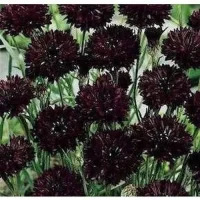
  • Cornflower Mixed (Centaurea Cyanus) – annual
  • Foxglove (Digitalis Purpurea) – biennial
  • Viper’s Bugloss (Echium Vulgare) – biennial
  • Lady’s Bedstraw (Galium verum) – perennial
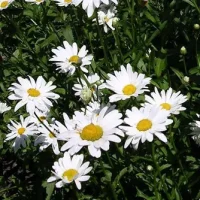
  • Oxeye Daisy (Leucanthemum Vulgare) – perennial
  • Field Forget-me-not (Myosotis Arvensis) – annual
  • Common Poppy (Papaver Rhoeas) – annual
  • Meadow Buttercup (Ranunculus Acris) – perennial
  • White Campion (Silene Latifolia subsp. alba) – perennial
  • Red Campion (Silene Dioica) – perennial
  • Salad Burnet (Sanguisorba Minor) – perennial
  • Great Mullein (Verbascum Thapsus) – perennial
  • Birdsfoot (Lotus Corniculatus) – perennial
  • Field Poppy (Papaver Rhoeas) – annual
  • Ribwort Plantain (Plantago Lanceolata) – perennial
  • St John’s Wort (Hypericum Perforatum) – perennial
  • Black Medic (Medicago Lupulina) – perennial

This comprehensive selection ensures a garden that is both beautiful and environmentally beneficial.

Useful Information

Sowing a wildflower meadow in the UK is a wonderful way to support local biodiversity, create a beautiful natural space, and enjoy seasonal blooms. Here’s a step-by-step guide to help you get started:

1. Choose the Right Location

  • Pick a sunny, well-drained spot—wildflowers generally prefer full sun.
  • Avoid areas with dense shade or heavy, waterlogged soil.
  • Consider the size of your meadow; even a small patch can make a big difference.

2. Prepare the Ground

  • Clear the area of existing grass, weeds, and debris. You can do this by:
    • Removing turf manually or using a rotavator.
    • Applying an organic weed killer if necessary (use caution and follow instructions).
  • Lightly cultivate the soil to create a fine, crumbly seedbed.

3. Select Native Wildflower Seeds

  • Choose a wildflower seed mix suited to UK conditions and your soil type (chalky, clay, sandy).
  • Some popular UK wildflowers include oxeye daisy, bird’s-foot trefoil, cornflower, and red clover.

4. Sow the Seeds

  • Sow seeds in autumn or early spring for best results.
  • Mix seeds with sand or fine soil to help distribute them evenly.
  • Broadcast the seeds by hand, then gently rake the soil surface to cover seeds lightly.
  • Avoid sowing seeds too deep as many wildflower seeds need light to germinate.

5. Water and Maintain

  • Water the area lightly after sowing if the weather is dry.
  • Keep the soil moist until seedlings establish.
  • Avoid fertilizing, as fertile soil encourages grasses that compete with wildflowers.

6. Ongoing Care

  • First year be patient.
  • Mow the meadow once or twice a year—typically late summer (after flowers have seeded) and again in early spring.
  • Remove cuttings to reduce soil fertility and encourage wildflowers.

7. Enjoy and Monitor

  • Watch pollinators like bees, butterflies, and birds visit your meadow.
  • Over time, the meadow will mature and become more diverse and colourful.

Additional information

Weight

50g | 100g | 250g | 500g | 1kg | 2kg | 3kg | 5kg | 10kg | 20kg | 50kg

We also recommend...