£2.50 Shipping Per Order Of Seed Sachets/Packets With No Limit on Quantity • FREE Collection From Our Darlington Warehouse

Wholesale Angelica Bulk

Starting at £5.75

Angelica: An Overview

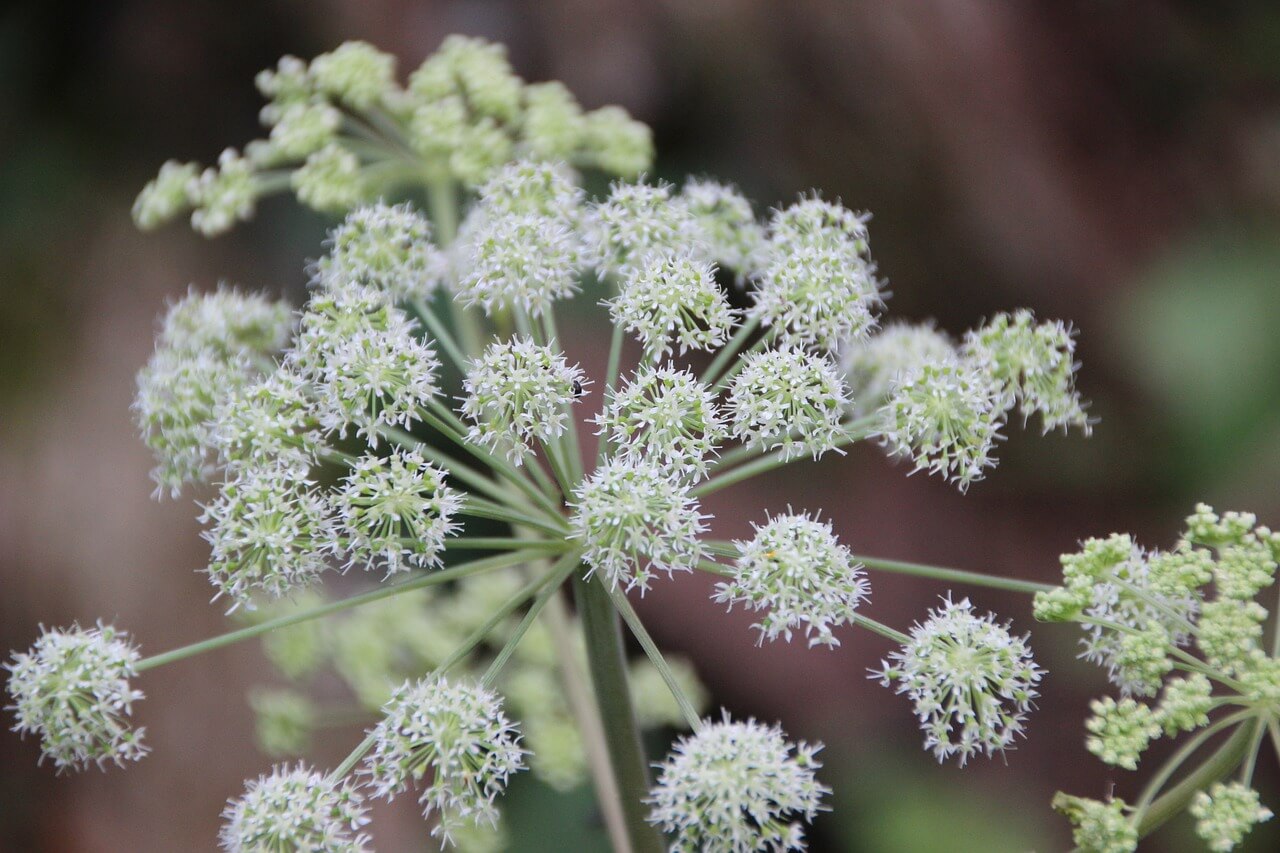
Description: Angelica (Angelica archangelica) is a tall, biennial herbaceous plant known for its striking appearance and aromatic qualities. With its large, umbrella-like clusters of white or greenish flowers and broad, serrated leaves, angelica is not only visually appealing but also has a rich history of culinary and medicinal uses.

Key Features:

  • Height: Can grow up to 6 feet tall
  • Flowers: Produces small, white to greenish flowers in large, rounded clusters
  • Leaves: Large, deeply lobed leaves that can reach up to 2 feet in length
  • Roots: Thick, fleshy roots that are often harvested for various uses

Growing Conditions:

  • Sunlight: Prefers partial shade to full sun
  • Soil: Thrives in moist, well-drained soil rich in organic matter
  • Watering: Requires consistent moisture, especially during dry periods

Culinary Uses:

  • Flavouring: The stems and leaves can be used to flavour soups, stews, and sauces.
  • Candied: Young stems are often candied and used in desserts or as a garnish.
  • Infusions: Angelica can be used to make herbal teas or infused spirits, such as gin.

Medicinal Uses:

  • Traditionally, angelica has been used in herbal medicine for its potential digestive and anti-inflammatory properties.
  • It is believed to help with respiratory issues and has been used as a natural remedy for various ailments.

Tips for Cultivation:

  • Start seeds indoors or sow directly in the garden in early spring.
  • Ensure the plant has plenty of water, especially during hot weather.
  • Harvest leaves and stems as needed, but allow the plant to flower for seed production if desired.

Conclusion: Angelica is a versatile and attractive herb that can enhance both your garden and your kitchen. With its unique flavour and historical significance, it’s a wonderful addition for those interested in culinary herbs or herbal remedies. Whether you’re using it in cooking or appreciating its beauty in the garden, angelica is sure to make an impression!

50g | 100g | 250g | 500g | 1kg | 2kg

Useful Information

Sowing Angelica Seeds: A Step-by-Step Guide

Sowing angelica seeds can be a rewarding endeavour, as this herb not only adds beauty to your garden but also offers culinary and medicinal benefits. Here’s a comprehensive guide to help you successfully sow angelica seeds.

1. Timing

  • When to Sow: Angelica seeds can be sown indoors 8-10 weeks before the last frost or directly in the garden in early spring. If you live in a warmer climate, you can also sow in late summer for a fall harvest.

2. Choosing the Right Location

  • Sunlight: Angelica prefers partial shade to full sun. Choose a location that receives at least 4-6 hours of sunlight daily.
  • Soil: Ensure the soil is well-drained, rich in organic matter, and retains moisture. A pH level of 6.0 to 7.0 is ideal.

3. Preparing the Soil

  • Soil Preparation: Loosen the soil to a depth of about 12 inches and mix in compost or well-rotted manure to improve fertility and drainage.
  • Moisture: Water the soil thoroughly before sowing to ensure it is evenly moist.

4. Sowing the Seeds

  • Seed Depth: Sow angelica seeds about 1/4 inch deep. If sowing directly in the garden, space the seeds about 12-18 inches apart to allow for the plant’s mature size.
  • Spacing: If starting indoors, use seed trays or pots, and space the seeds about 2-3 inches apart.

5. Watering

  • Initial Watering: After sowing, gently water the area to settle the soil around the seeds. Keep the soil consistently moist but not waterlogged.
  • Ongoing Care: Water regularly, especially during dry spells, to ensure healthy germination and growth.

6. Germination

  • Timeframe: Angelica seeds typically take 2-3 weeks to germinate, depending on temperature and moisture levels.
  • Temperature: Ideal germination temperatures are between 65°F and 75°F (18°C to 24°C).

7. Thinning Seedlings

  • Once seedlings have developed a few true leaves, thin them to about 12-18 inches apart to allow for proper air circulation and growth.

8. Transplanting (if started indoors)

  • If you started seeds indoors, transplant seedlings outdoors after the last frost when they are about 4-6 inches tall. Harden them off by gradually exposing them to outdoor conditions over a week.

9. Maintenance

  • Mulching: Apply a layer of mulch around the plants to retain moisture and suppress weeds.
  • Fertilizing: Fertilize with a balanced fertilizer every few weeks to promote healthy growth.

Conclusion

Sowing angelica seeds is a straightforward process that can lead to a flourishing herb in your garden. With the right care and conditions, you’ll enjoy the beauty and benefits of this unique plant. Happy gardening!

Additional information

Packet Size

50g | 100g | 250g | 500g | 1kg | 2kg

We also recommend...