Starting at £3.99
Introducing Our Tall Honey Bee Mixture
Transform your landscape with our stunning Honey Bee Mixture, a tall-growing blend that reaches heights of 1 to 1.5 meters. This carefully curated selection of flowering plants is designed not only to beautify the countryside but also to attract a variety of beneficial insects, including bees and other pollinators.
The Honey Bee Mixture features time-honoured species known for their melliferous qualities, such as Borage and Cornflower, which have long been celebrated for their ability to produce nectar. Additionally, we’ve included vibrant varieties like Cosmos Sulphureus, Godetia, and Rudbeckia, each contributing their unique charm and colour to your garden.
By planting this mixture, you’ll create a thriving habitat for pollinating insects while enhancing the visual appeal of your outdoor space. Watch as your garden comes alive with activity, supporting local ecosystems and promoting biodiversity.
Elevate your gardening experience with the Honey Bee Mixture—a perfect blend of beauty and ecological benefit!
100% Pure flower seeds
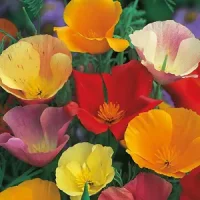
Eschscholzia Californica
Centaurea Cyanus
Cosmos Bipinnatus
Cosmos Sulpureus
Godetia Grandiflora
Borago Officinalis
Helianthus Annuus
Gaillardia Pulchella
Zinnia Elegans
5g | 10g | 50g | 100g | 250g | 500g | 1Kg
Sowing & Growing
2g per square metre
To sow wildflower seeds, consider planting them in March and April or, if your soil is light and well-drained, in September. They thrive in open, sun-drenched positions. Autumn sowing is favourable for annual wildflowers such as red poppies and cornflowers, while spring sowing tends to favour corn cockles and corn marigolds.
Before sowing, it’s crucial to prepare the ground by clearing it of existing plants and grass, paying special attention to the removal of persistent perennial weeds like stinging nettles, docks, and couch grass. In wildlife areas, hand weeding is the preferred method. In cases where hand weeding is impractical, a glyphosate-based weed killer may be used, with careful application on still, windless days. Avoid using glyphosate in areas containing ponds and waterways.
Following the clearing process, the soil should be dug and compacted before raking to create a level seed bed. It’s important not to introduce fertilizers or manure, as this encourages grass growth, which can stifle the wildflowers. Allow the soil to settle for up to six weeks, during which any weed seeds can germinate and be subsequently removed using a hoe or weed killer.
For particularly fertile soils where you intend to grow perennial wildflower meadows, consider removing the top 5-10cm of soil to reduce fertility.
When it comes to seeding, a gram of pure wildflower seeds is sufficient for every square meter of soil. Mixed wildflower seeds, when combined with grass, should be sown at a rate of 2g per square meter. To ensure even distribution, it’s advisable to mix the seed with silver sand before lightly raking the area. After sowing, protect the seeds with netting to shield them from birds and cats. Keeping the soil adequately moist during hot, dry periods is essential for optimal germination.
| Packet Size | 5g | 10g | 50g | 100g | 250g | 500g | 1Kg |
|---|
I have just bought all my new seeds for next year’s vegetables after having such great results this year. Budget seeds are so helpful, I’m a newbie in the veg growing world and they have been helpful in choosing the best seeds to start with etc. also much cheaper than elsewhere so if I do mess up in the future it isn’t costing me so much. I thoroughly recommend Budget Seeds for all your veg and flower seeds.
Mrs Morris