£0.59 incl. VAT
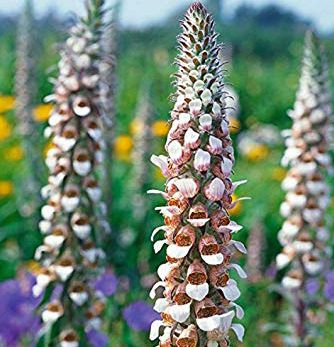
Introducing the Digitalis Lanata ‘Grecian Foxglove’ – a beautiful biennial plant that will add a touch of elegance to your garden. With its tall and graceful stems, this plant can reach up to 1.2m in height, making it a stunning addition to any garden border or wildflower meadow.
In the first year, the plant produces a rosette of leaves, while in the second year, it produces striking bell-shaped flowers that bloom in the summer, between June and August. The flowers come in a range of colours, including pink, white, and purple, and are highly attractive to bees and other pollinators.
The Digitalis Lanata ‘Grecian Foxglove’ is easy to grow and can tolerate a range of temperatures. It prefers cool weather and can grow in well-drained soil with some compost or well-rotted manure. The plant has a moderate spread and can create a stunning display when planted in groups.
So, whether you want to add some height and colour to your garden or attract more bees and butterflies, the Digitalis Lanata ‘Grecian Foxglove’ is the perfect choice. Order yours today and enjoy the beauty and elegance of this stunning biennial plant in your garden for years to come.
Approximately 100 Seeds
In stock
Sowing & Growing
Digitalis Lanata ‘Grecian Foxglove’ is a biennial plant that is native to Europe and Asia. This plant is popularly known for its striking bell-shaped flowers that bloom in the summer. In the UK, sowing Digitalis Lanata ‘Grecian Foxglove’ is a simple process, and here are some guidelines on how to do it successfully.
The best time to sow Digitalis Lanata ‘Grecian Foxglove’ in the UK is from mid-spring to early summer. Before sowing, prepare the soil by digging and adding compost or well-rotted manure. Foxgloves prefer well-drained soil, so make sure that the soil is not waterlogged. Sow the seeds directly into the soil, scattering them lightly, and cover with a thin layer of soil. Keep the soil moist, but not too wet, and ensure that the area is well-ventilated.
Digitalis Lanata ‘Grecian Foxglove’ plants typically take around two years to complete their life cycle. During the first year, the plant produces a rosette of leaves, and in the second year, it produces flowers. The plants usually bloom in the summer, between June and August, and they can grow up to 1.2m tall. The flowers are typically pink, white, or purple and are very attractive to bees and other pollinators.
In terms of temperature, Digitalis Lanata ‘Grecian Foxglove’ can tolerate a wide range of temperatures, but they prefer cool weather. The ideal temperature for sowing and growing this plant is between 10°C to 15°C. During the summer months, the plant can tolerate higher temperatures but make sure to keep the soil moist to prevent the plant from drying out.
In conclusion, sowing Digitalis Lanata ‘Grecian Foxglove’ in the UK is a straightforward process. Make sure to prepare the soil before sowing, sow the seeds directly into the soil, and keep the soil moist. The best time to sow is from mid-spring to early summer, and the plants typically bloom in the summer between June and August. The ideal temperature for sowing and growing this plant is between 10°C to 15°C. With proper care and attention, you can enjoy the striking flowers of Digitalis Lanata ‘Grecian Foxglove’ in your garden for years to come.
| Packet Size | Approximately 100 Seeds |
|---|---|
| Hardiness & Lifecycle | Hardy Biennial |
I have just bought all my new seeds for next year’s vegetables after having such great results this year. Budget seeds are so helpful, I’m a newbie in the veg growing world and they have been helpful in choosing the best seeds to start with etc. also much cheaper than elsewhere so if I do mess up in the future it isn’t costing me so much. I thoroughly recommend Budget Seeds for all your veg and flower seeds.
Mrs Morris