Starting at £3.99
Introducing Our Butterfly Annual Flower Mix
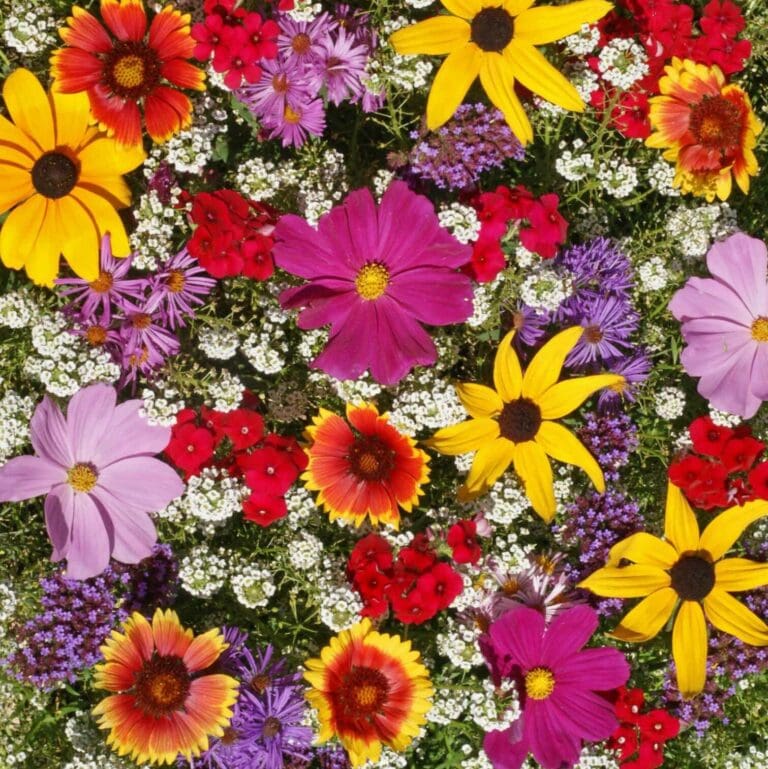
Create a vibrant haven for butterflies and pollinators with our Butterfly Annual Flower Mix! This carefully curated blend features a delightful assortment of annual flowers specifically chosen to attract and nourish these beautiful creatures throughout the growing season.
With a stunning array of colours and shapes, this mix includes favourites such as Cosmos, Cornflower, Foxgloves, and Daisies, all known for their ability to draw in butterflies and other beneficial insects. As these flowers bloom, they provide essential nectar sources, ensuring that your garden becomes a lively sanctuary for butterflies to feed and thrive.
Key Features:
Sowing Instructions:
Flowering Schedule:
Transform your garden into a butterfly paradise with our Butterfly Annual Flower Mix—a perfect blend of beauty and ecological benefit that will bring joy to your outdoor space!
5g | 10g | 50g | 100g | 250g | 500g | 1Kg
Sowing & Growing
2g per square metre
To sow wildflower seeds, consider planting them in March and April or, if your soil is light and well-drained, in September. They thrive in open, sun-drenched positions. Autumn sowing is favourable for annual wildflowers such as red poppies and cornflowers, while spring sowing tends to favour corn cockles and corn marigolds.
Before sowing, it’s crucial to prepare the ground by clearing it of existing plants and grass, paying special attention to the removal of persistent perennial weeds like stinging nettles, docks, and couch grass. In wildlife areas, hand weeding is the preferred method. In cases where hand weeding is impractical, a glyphosate-based weed killer may be used, with careful application on still, windless days. Avoid using glyphosate in areas containing ponds and waterways.
Following the clearing process, the soil should be dug and compacted before raking to create a level seed bed. It’s important not to introduce fertilizers or manure, as this encourages grass growth, which can stifle the wildflowers. Allow the soil to settle for up to six weeks, during which any weed seeds can germinate and be subsequently removed using a hoe or weed killer.
For particularly fertile soils where you intend to grow perennial wildflower meadows, consider removing the top 5-10cm of soil to reduce fertility.
When it comes to seeding, a gram of pure wildflower seeds is sufficient for every square meter of soil. Mixed wildflower seeds, when combined with grass, should be sown at a rate of 2g per square meter. To ensure even distribution, it’s advisable to mix the seed with silver sand before lightly raking the area. After sowing, protect the seeds with netting to shield them from birds and cats. Keeping the soil adequately moist during hot, dry periods is essential for optimal germination.
| Packet Size | 5g | 10g | 50g | 100g | 250g | 500g | 1Kg |
|---|
I have just bought all my new seeds for next year’s vegetables after having such great results this year. Budget seeds are so helpful, I’m a newbie in the veg growing world and they have been helpful in choosing the best seeds to start with etc. also much cheaper than elsewhere so if I do mess up in the future it isn’t costing me so much. I thoroughly recommend Budget Seeds for all your veg and flower seeds.
Mrs Morris