Starting at £4.50
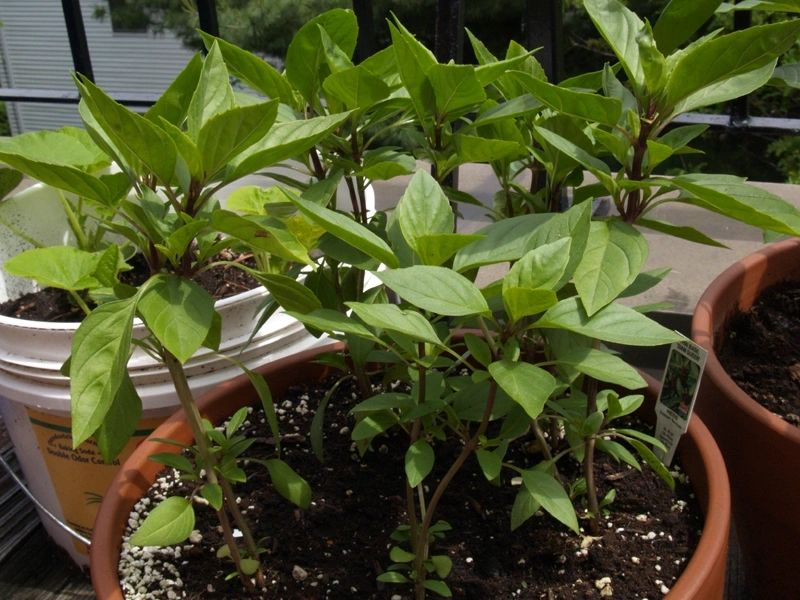
Thai Basil Queenette features purple stems and flowers, along with petite leaves that carry a spicy-sweet anise flavour. Distinct from sweet basil, these leaves are thicker and add a delightful touch to cooked dishes, including soups, stir-fries, and curries.
NL-BIO-01/SKAL028487
10g | 25g | 50g | 100g
Sowing & Growing
Begin by sowing basil seeds indoors in March and April, with plans to transplant them from late May onwards or when the threat of frost has passed. Sow the seeds lightly into trays or pots filled with damp compost, covering them lightly with finely sifted compost. Place the containers on a warm windowsill or greenhouse bench, taking care to prevent the compost from drying out. The seeds typically germinate within 7-10 days. Alternatively, seeds can be sown directly outdoors from June onwards.
Growing in pots: Opting to grow basil in pots offers the advantage of flexibility, allowing you to move the plants to suitable positions throughout the day. Ensure the plants remain adequately hydrated, avoiding drying winds. Apply a liquid feed every 2-3 weeks to promote healthy growth.
Growing in beds: For outdoor beds or designated herb gardens, ensure the soil is well-draining. Plant the seedlings 30cm apart and maintain consistent watering. Applying a mulch at the base of the plants helps retain soil moisture. A liquid feed fertilizer can be applied every 2-3 weeks to maintain robust and healthy plants.
Aftercare: When watering basil plants, take care not to splash the delicate leaves. Promptly remove any weeds that emerge around the base. Refrain from using insecticides or fungicides, as they may taint the leaves and render them unusable.
Harvesting: Basil plants will continue to thrive throughout the summer with regular watering and consistent harvesting of the leaves. Remove any flower buds as they appear to encourage additional leaf growth. Fresh basil leaves can be frozen for later use. Growing basil during winter is challenging, so consider drying some leaves at the end of summer for storage. Cut the whole plants at the base of the stem and hang them upside down in a dry, warm place. Once the leaves are fully dried, crumble them and store in a dry, airtight jar.
| Packet Size | 10g | 25g | 50g | 100g |
|---|
I have just bought all my new seeds for next year’s vegetables after having such great results this year. Budget seeds are so helpful, I’m a newbie in the veg growing world and they have been helpful in choosing the best seeds to start with etc. also much cheaper than elsewhere so if I do mess up in the future it isn’t costing me so much. I thoroughly recommend Budget Seeds for all your veg and flower seeds.
Mrs Morris